How to Know Your Kidney Is Failing: 11 Warning Signs
How to Know Your Kidney Is Failing: Warning Signs, Tests and When to Get Help
Kidney failure can develop gradually or happen suddenly. The difficulty is that early chronic kidney disease often causes no obvious symptoms. A person may feel well while kidney function is already reduced. When symptoms do appear, they can include swelling, changes in urination, unusual tiredness, nausea, itching and shortness of breath. These signs can also have other causes, so they cannot confirm kidney failure on their own.
The most reliable way to find out whether your kidneys are working properly is to have blood and urine tests. This article explains the warning signs to look out for, the tests doctors use, common causes of kidney damage and situations that need urgent medical attention.
- What happens when the kidneys are failing?
- Warning signs that your kidneys may not be working properly
- 1. Swelling in the feet, ankles, legs or face
- 2. Changes in how often you urinate
- 3. Foamy urine that keeps happening
- 4. Blood in the urine
- 5. Persistent tiredness or weakness
- 6. Nausea, vomiting or loss of appetite
- 7. Itchy or unusually dry skin
- 8. Muscle cramps
- 9. Shortness of breath
- 10. Poor sleep or difficulty concentrating
- 11. High blood pressure
- How doctors check whether your kidneys are failing
- 1. Blood creatinine and eGFR
- 2. Urine albumin-to-creatinine ratio (uACR)
- 3. Urinalysis
- 4. Blood pressure and additional blood tests
- 5. Ultrasound or kidney biopsy
- Understanding eGFR results
- What can cause kidney failure?
- Acute kidney injury and chronic kidney disease are different
- When should you seek medical help?
- Can kidney failure be treated?
- How to reduce the risk of kidney damage
- Frequently asked questions
- Can damaged kidneys recover?
What happens when the kidneys are failing?
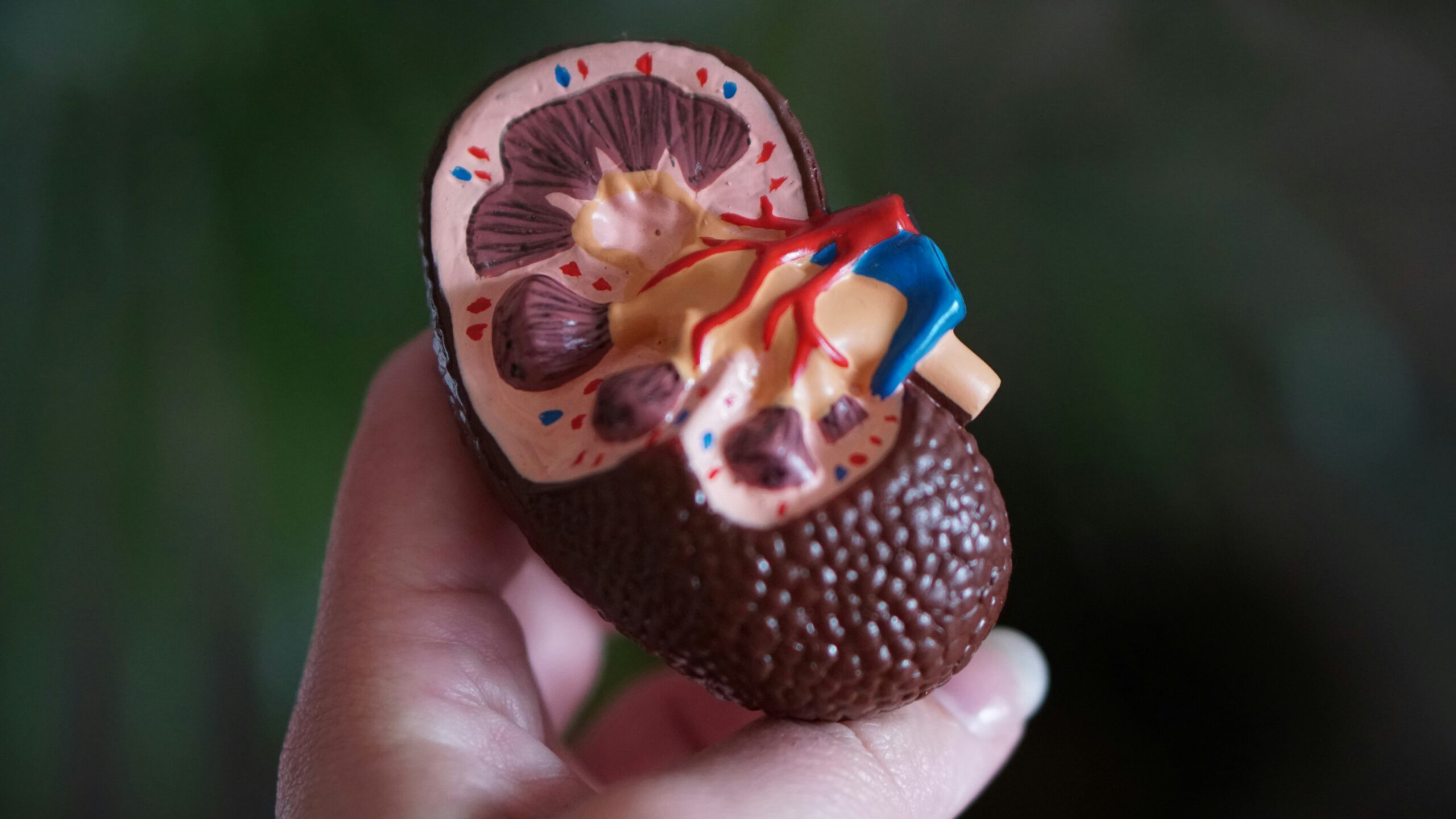
The kidneys are two bean-shaped organs located towards the back of your abdomen, on either side of your spine. They filter waste products and extra water from the blood, which leave the body as urine. They also help control blood pressure, balance minerals such as potassium and phosphorus, support red blood cell production and maintain bone health.
When the kidneys are damaged, they may not remove waste and fluid effectively or keep the right balance of minerals. Waste can build up in the blood, fluid can collect in the tissues, and complications such as anaemia or electrolyte disturbances may develop. Kidney failure usually describes a severe loss of kidney function; it is not diagnosed simply because someone has one symptom.
Warning signs that your kidneys may not be working properly
Symptoms are more likely as kidney disease becomes advanced. Some people experience several symptoms, while others notice very little. Do not use the list below as a self-diagnosis checklist.
1. Swelling in the feet, ankles, legs or face
Damaged kidneys may have difficulty removing excess salt and water. Fluid can then collect in the body and cause swelling, often around the feet and ankles. Some people notice puffy eyelids or swelling in their hands. Swelling can also be caused by heart, liver or vein problems, so a clinician needs to assess it in context.
2. Changes in how often you urinate
You may pass urine more often, particularly at night, or produce less urine than usual. A sudden and marked reduction in urine can occur with acute kidney injury and needs prompt assessment. Urination changes also occur with diabetes, urinary infections, prostate problems, medicines and changes in fluid intake.
3. Foamy urine that keeps happening
Persistent foamy urine can be a sign that protein, especially albumin, is leaking into the urine. Healthy kidney filters usually keep most albumin in the bloodstream. A forceful urine stream or concentrated urine can also make bubbles, so appearance alone cannot tell you whether protein is present. A urine albumin test is needed.
4. Blood in the urine
Urine that looks pink, red, cola-coloured or brown may contain blood. This can come from the kidneys or another part of the urinary tract. Kidney inflammation, stones and infections are among the possible causes. Visible blood should be checked even if it happens once or does not hurt; it is not proof of kidney failure.
5. Persistent tiredness or weakness
Kidney disease can contribute to anaemia because damaged kidneys may make less erythropoietin, a hormone that helps the body produce red blood cells. Anaemia can cause tiredness, weakness, dizziness, reduced stamina and difficulty concentrating. Many other conditions can cause fatigue, so testing is important.
6. Nausea, vomiting or loss of appetite
When kidney function is severely reduced, waste products can accumulate in the blood and contribute to nausea, vomiting, poor appetite or an unpleasant taste in the mouth. Persistent vomiting can also cause dehydration and make an acute kidney problem worse. Seek medical advice rather than assuming the cause.
7. Itchy or unusually dry skin
Advanced kidney disease can disturb the balance of minerals and other substances in the body. Some people develop dry, itchy skin. Itching has many other causes, including eczema, allergies and medication reactions, so it should be considered alongside other symptoms and test results.
8. Muscle cramps
Changes in fluid and mineral levels can contribute to muscle cramps, particularly in the legs. Cramps are common and are not specific to kidney disease; exercise, dehydration, circulation problems and medicines can also play a role. Recurrent cramps with other symptoms deserve a medical review.
9. Shortness of breath
Fluid overload can sometimes affect the lungs and make breathing difficult. Anaemia may also contribute to breathlessness. Sudden or severe difficulty breathing, especially with chest pain or marked swelling, is an emergency and should not wait for a routine appointment.
10. Poor sleep or difficulty concentrating
Some people with advanced kidney disease report disrupted sleep, restless legs, daytime tiredness or trouble concentrating. Severe accumulation of waste products can affect the nervous system and cause confusion or unusual drowsiness. New confusion or difficulty staying awake requires urgent assessment.
11. High blood pressure
High blood pressure can damage kidney blood vessels, and kidney disease can make blood pressure harder to control. The relationship works in both directions. High blood pressure usually has no obvious symptoms, so checking it with a reliable monitor or at a clinic is more useful than waiting to feel unwell.
How doctors check whether your kidneys are failing
Symptoms and physical appearance cannot establish a diagnosis. Doctors usually combine your medical history, examination, blood pressure, blood tests and urine tests. If needed, they may request imaging or refer you to a kidney specialist.
For a clear explanation of the main investigations, read the NIDDK guide to kidney disease tests and diagnosis. It explains why blood and urine testing are used together.
1. Blood creatinine and eGFR
Creatinine is a waste product produced by normal muscle activity. The kidneys remove it from the blood. A blood test measures creatinine, and the result is used with other information to calculate the estimated glomerular filtration rate (eGFR). eGFR estimates how well the kidneys filter blood. A lower result generally means reduced filtering function, but clinicians interpret it alongside previous results, urine findings and the person’s overall condition.
An eGFR below 60 mL/min/1.73 m² that persists for at least three months is one criterion for chronic kidney disease. An eGFR below 15 is in the kidney failure range. A single result does not always establish chronic disease: acute illness, dehydration and rapidly changing creatinine can affect the estimate. The doctor may repeat testing and investigate the cause.
2. Urine albumin-to-creatinine ratio (uACR)
Albumin is a protein normally found in the blood. If the kidney filters are damaged, some albumin can pass into the urine. The uACR test measures albumin in a urine sample relative to creatinine. A result above 30 mg/g may indicate kidney damage. The result may need to be repeated because temporary factors, such as fever, strenuous exercise or a urinary infection, can affect urine albumin.
3. Urinalysis
A urinalysis checks a urine sample for blood, protein, glucose and other substances. Depending on the findings, a laboratory may also examine the sample for cells or signs of infection. This test helps identify clues about kidney or urinary tract problems, but it does not replace eGFR and uACR testing.
4. Blood pressure and additional blood tests
Blood pressure is checked because hypertension can cause kidney damage and may also develop as kidney function declines. Doctors may also check electrolytes, urea, blood count, blood glucose and other measurements to look for complications or possible causes.
5. Ultrasound or kidney biopsy
A kidney ultrasound can show the size and structure of the kidneys and may identify cysts, enlargement or a blockage in the urinary system. It does not directly measure how well the kidneys filter blood. A biopsy, which involves taking a small sample of kidney tissue, is used only in selected cases when the result could help identify the cause or guide treatment.
Understanding eGFR results
The following categories are commonly used to describe eGFR. They are not a stand-alone diagnosis: chronic kidney disease is assessed using the duration of the abnormality and evidence of kidney damage as well as the eGFR.
| eGFR (mL/min/1.73 m²) | Category |
| 90 or higher | Normal or high filtration; other evidence is needed to identify kidney damage |
| 60–89 | Mildly decreased filtration |
| 45–59 | Mild to moderately decreased filtration |
| 30–44 | Moderately to severely decreased filtration |
| 15–29 | Severely decreased filtration |
| Below 15 | Kidney failure range |
For example, an eGFR of 75 does not automatically mean a person has chronic kidney disease. If there are no other signs of kidney damage, that number alone may not meet the definition. Conversely, someone can have kidney damage, such as persistent albumin in the urine, while eGFR remains above 60.
What can cause kidney failure?
Diabetes: Persistently high blood glucose can damage the small blood vessels and filtering structures in the kidneys.
High blood pressure: Long-term hypertension can injure kidney blood vessels and reduce their ability to filter blood.
Inflammatory kidney diseases: Conditions such as glomerulonephritis can inflame the kidney’s filtering units.
Severe infections or sepsis: A serious infection can reduce blood flow to the kidneys and trigger sudden kidney injury.
Dehydration, blood loss or low blood pressure: Severe fluid loss or reduced circulation can deprive the kidneys of the blood flow they need.
Urinary blockage: A blockage caused by stones, an enlarged prostate or another condition can prevent urine from draining normally and damage the kidneys.
Inherited conditions: Some genetic disorders, including polycystic kidney disease, can cause progressive kidney damage.
Medicines and toxins: Some medicines, including non-steroidal anti-inflammatory drugs (NSAIDs), can harm kidney function in certain circumstances, especially with dehydration, existing kidney disease or prolonged use. Never stop prescribed medicine without medical advice.
Acute kidney injury and chronic kidney disease are different
Acute kidney injury (AKI) means kidney function has worsened suddenly, often over hours or days. It can happen after severe dehydration, blood loss, a serious infection, certain medicines or a urinary blockage. Some people have few symptoms, while others pass much less urine, feel sick, become swollen or feel confused.
The NHS guidance on acute kidney injury explains common causes, symptoms, diagnosis and treatment. Suspected AKI needs prompt medical assessment because it can become serious.
Chronic kidney disease (CKD) means kidney abnormalities or reduced kidney function have been present for at least three months. It often develops gradually and may not cause symptoms early on. Treatment aims to address the cause, control blood pressure and blood sugar where relevant, manage complications and slow further damage. Some people with severe kidney failure eventually need dialysis or a transplant.
When should you seek medical help?
Arrange a medical appointment if you have persistent swelling, repeated foamy urine, blood in your urine, unexplained changes in urination, ongoing nausea or unusual tiredness. Do not wait for several symptoms to appear. A clinician can decide whether kidney tests or investigations for another cause are needed.
People with diabetes, high blood pressure, heart disease, a previous episode of acute kidney injury or a family history of kidney failure should ask their healthcare professional how often they need kidney checks, even if they feel well.
Seek urgent medical care for a sudden major reduction in urine, especially if you feel unwell, are vomiting or have swelling. Get emergency help for severe breathlessness, chest pain, new confusion, collapse or extreme drowsiness. Do not try to manage these symptoms at home.
Can kidney failure be treated?
Treatment depends on what caused the kidney problem and how much function remains. In acute kidney injury, doctors treat the cause—for example, correcting dehydration, treating infection, relieving a blockage or reviewing medicines that may be contributing. Kidney function may recover, but recovery is not guaranteed and follow-up tests may be needed.
For chronic kidney disease, treatment may include controlling blood pressure, managing diabetes, using kidney-protective medicines when appropriate, treating anaemia or mineral problems, and adjusting medicines that can affect the kidneys. A dietitian or kidney specialist may recommend changes to salt, potassium, phosphorus, protein or fluid intake based on test results. Do not make major dietary or fluid restrictions without individual medical advice.
When kidney function is severely reduced and the kidneys can no longer support the body adequately, dialysis may be needed to remove waste and excess fluid. A kidney transplant is another treatment option for some people. Not everyone with chronic kidney disease needs dialysis or a transplant.
How to reduce the risk of kidney damage
Keep blood pressure within the range recommended by your healthcare professional.
If you have diabetes, follow your treatment plan and monitor blood glucose as advised.
Use pain medicines and other medicines responsibly. Ask a pharmacist or clinician before using NSAIDs regularly, particularly if you have kidney disease or take medicines for blood pressure.
Drink enough fluid for your needs, especially during illness or hot weather. If you have been told to restrict fluids, follow your clinician’s instructions instead.
Limit excess salt and choose a balanced eating pattern. People with diagnosed kidney disease may need an individual diet plan.
Avoid smoking and seek support to stop if you smoke.
Attend recommended blood and urine checks if you have risk factors.
Frequently asked questions
Can you have kidney failure without knowing?
Yes. Early chronic kidney disease often has no symptoms. Blood and urine tests may detect a problem before a person feels unwell.
What is usually the first sign of kidney failure?
There is no single first symptom. Many people have no warning signs in early disease. When symptoms develop, they may include swelling, tiredness, changes in urination, poor appetite or itching.
Does foamy urine mean my kidneys are failing?
Not necessarily. Persistent foam can be associated with protein in the urine, but bubbles can have other causes. A urine albumin test is needed to check.
Can the colour of urine show kidney failure?
No particular urine colour can confirm kidney failure. Blood may make urine pink, red, brown or tea-coloured, but there are several possible causes. Get visible blood checked.
Can kidney failure happen suddenly?
Yes. Acute kidney injury is a sudden decline in kidney function. It can be triggered by severe dehydration, infection, blood loss, certain medicines or a blockage. Prompt assessment matters.
Can damaged kidneys recover?
Some people recover partly or fully from acute kidney injury when the cause is treated. Chronic kidney disease is usually long-term, although treatment can slow progression and manage complications.
What tests should I ask about?
A blood creatinine test with eGFR and a urine albumin-to-creatinine ratio are key tests. A clinician may also request urinalysis, blood pressure checks, imaging or other tests based on your history.
Final thoughts
You cannot reliably tell whether your kidneys are failing by looking at your urine, checking for swelling or judging how tired you feel. Kidney disease may have no early symptoms, and the signs that do appear can be caused by other conditions. Blood testing for creatinine and eGFR, together with urine testing for albumin, gives a much clearer picture. If you have ongoing symptoms or risk factors such as diabetes or high blood pressure, arrange a medical review rather than waiting for the problem to become severe.