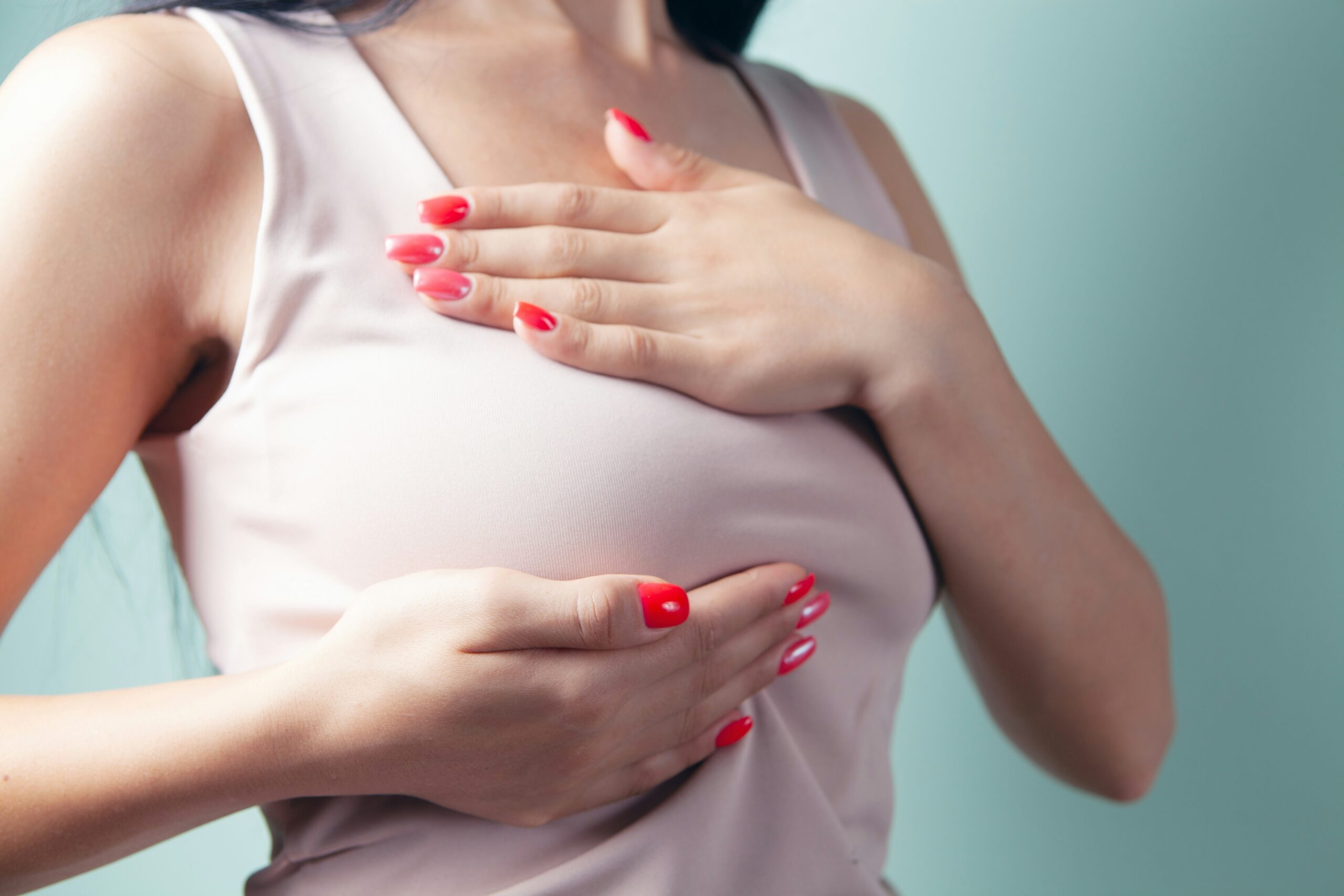
Early Signs of Breast Cancer: 10 Warning Signs to Know
Early Signs of Breast Cancer: Symptoms You Should Never Ignore
The early signs of breast cancer can include a new lump in the breast, swelling around the armpit, changes in breast size or shape, nipple discharge, and unusual changes in the skin. Some people also notice that their nipple begins to turn inward or that an area of the breast becomes thicker than usual.
Breast cancer does not always cause pain, and some people have no noticeable symptoms during its early stages. This is why knowing how your breasts normally look and feel is important. When you notice a new or unusual change, arrange a medical examination instead of waiting for it to disappear.
It is also important to understand that most breast changes are not cancer. Hormonal changes, infections, cysts and other non-cancerous conditions can cause similar symptoms. However, a healthcare professional should examine unusual changes to establish their cause.
- What Are the Early Signs of Breast Cancer?
- Can You Have Breast Cancer Without Any Symptoms?
- What Does an Early Breast Cancer Lump Feel Like?
- Early Signs of Breast Cancer in Different Age Groups
- Can Men Have Breast Cancer?
- How to Check Your Breasts for Unusual Changes
- When Should You See a Doctor?
- How Is Breast Cancer Diagnosed?
- What Increases the Risk of Breast Cancer?
- Can Breast Cancer Be Prevented?
- Frequently Asked Questions About Early Signs of Breast Cancer
- Final Thoughts
What Are the Early Signs of Breast Cancer?
Breast cancer develops when abnormal cells in breast tissue grow uncontrollably. These cells can form a tumor and may eventually spread to nearby lymph nodes or other parts of the body.
The signs differ from person to person. Some people discover a lump, while others notice changes in their nipples or breast skin.
The following are important warning signs to look out for.
1. A New Lump in the Breast
A new lump is one of the most common signs of breast cancer. It can feel like a hard or firm area inside the breast that was not there before.
Cancerous lumps don’t always cause pain. Some are likely to feel different from the surrounding breast tissue, while others are difficult to identify without a medical examination.
A lump can appear anywhere in the breast. It may also develop near the armpit, where breast tissue and lymph nodes are located.
Not every breast lump is cancerous. Cysts, fibroadenomas and hormonal changes can also cause lumps. Nevertheless, arrange an examination if you discover a new lump, even when it does not hurt.
Do not try to diagnose a lump by pressing it repeatedly or comparing it with pictures online. A healthcare professional can determine whether further tests are necessary.
2. Swelling or a Lump Around the Armpit
A swelling under the arm can sometimes be an early warning sign of breast cancer.
The breast contains lymphatic vessels that drain into lymph nodes, including those located in the armpit. Breast cancer can sometimes spread to these nearby lymph nodes.
You might notice a small lump, swelling or firm area under one arm. It may feel different from the surrounding tissue.
However, swollen lymph nodes can also develop because of infections, skin irritation and other conditions. The presence of an armpit lump does not automatically mean cancer.
If you notice unexplained swelling around your armpit, particularly alongside a breast change, arrange a medical assessment.
3. Changes in Breast Size or Shape
Breasts naturally differ in size, and it is common for one breast to be slightly larger than the other.
The important thing is to recognize a new change that is unusual for your body.
One breast may suddenly appear larger, smaller, swollen or differently shaped. You might notice that a particular area looks fuller than before or that your breast has developed an unusual outline.
These changes can occur without pain or a noticeable lump.
Hormonal changes, pregnancy, breastfeeding and weight changes can affect breast size. However, an unexplained or persistent change should be checked by a healthcare professional.
4. Dimpling or Puckering of the Breast Skin
Breast skin that develops small dents, folds or unusual indentations may need medical attention.
Dimpling happens when the skin appears pulled inward rather than smooth. In some cases, the surface might even resemble the skin of an orange.
This change can occur when cancer affects the tissues beneath the skin and pulls on the surrounding structures.
You could experience:
- Small dents on the breast.
- Skin that appears pulled inward.
- New wrinkles or puckering.
- An area that looks uneven when you raise your arm.
Dimpling does not always mean breast cancer, but a new change should not be ignored.
5. Redness or Darkening of the Breast Skin
Changes in breast skin color can sometimes be associated with breast cancer.
The affected area may appear red, darker than usual, swollen or irritated. On darker skin, redness may be less obvious, so pay attention to changes in color, temperature, texture and swelling.
Some people develop skin that looks inflamed or unusually thick.
A rare but aggressive form called inflammatory breast cancer can cause redness, swelling and changes in skin texture. It may develop without a distinct lump.
Skin infections and other conditions can produce similar symptoms. However, unexplained breast redness or swelling deserves prompt medical attention, particularly if it does not improve.
6. A Change in the Position or Shape of the Nipple
A nipple that begins to turn inward when it previously pointed outward may be a warning sign.
This is known as nipple inversion. Some people naturally have inverted nipples, and this is not necessarily a problem.
The concern is a new or unexplained change, especially when it affects only one breast.
Other changes may include:
- A nipple becoming flattened.
- A nipple changing direction.
- A nipple appearing pulled into the breast.
- A noticeable difference between the two nipples.
If your nipple changes suddenly or develops an unusual appearance, seek medical advice.
7. Unusual Nipple Discharge
Fluid coming from the nipple when you are not breastfeeding or pregnant should be assessed, particularly when it happens without squeezing.
The discharge may be clear, yellowish or bloody. Blood-stained discharge is especially important to investigate.
Nipple discharge can have several causes, including infections, hormonal changes and certain medications. It does not automatically indicate breast cancer.
Although, unexplained discharge from one nipple, especially when accompanied by a lump or nipple change, should not be ignored.
Avoid repeatedly squeezing the nipple to check whether more fluid comes out. Instead, arrange a medical examination and describe what you noticed.
8. A Rash, Scaling or Persistent Itching Around the Nipple
Changes around the nipple and areola can sometimes be associated with breast cancer.
Look out for dry, scaly, irritated or crusted skin. The area may resemble eczema and may not improve with ordinary skin treatments.
One rare condition associated with breast cancer is Paget disease of the breast. It affects the nipple and surrounding skin and can cause redness, itching, scaling, crusting or discharge.
Most nipple rashes are caused by conditions that are not cancer. However, a persistent rash affecting one nipple should be checked, particularly if it does not respond to treatment.
Do not assume that every itchy or irritated nipple is a sign of cancer. Pay attention to changes that are new, persistent or different from your usual skin condition.
9. Unusual Thickening or Swelling in Part of the Breast
Sometimes breast cancer does not form a clearly defined lump.
Instead, you may notice that one area feels thicker, firmer or heavier than the surrounding tissue.
The change may be subtle. You might feel a section of the breast that seems different from the rest, even when you cannot identify a separate lump.
Unusual thickening can also occur because of non-cancerous breast conditions. A medical examination is the best way to investigate a new or persistent change.
10. Persistent Breast or Nipple Pain
Breast pain is common and is usually caused by conditions other than cancer.
Hormonal changes before menstruation, pregnancy, breastfeeding, injuries and infections can cause tenderness or soreness.
Breast cancer does not usually begin with pain alone. However, pain can occur alongside other symptoms, and persistent or unexplained discomfort should be assessed.
Pay attention to pain that:
- Continues in one particular area.
- Does not follow your usual menstrual pattern.
- Occurs with a new lump.
- Is accompanied by nipple or skin changes.
- Does not improve over time.
Do not use the absence of pain to rule out breast cancer. A lump or other unusual change deserves attention even when it is painless.
Can You Have Breast Cancer Without Any Symptoms?
Yes. Some people have breast cancer without noticing any obvious changes in their breasts.
Early breast cancer may be too small to feel or see. In some cases, it is discovered through a screening mammogram before symptoms develop.
This is one reason screening is important for people who meet the recommended age or risk criteria.
However, screening does not replace medical assessment when symptoms appear. If you notice a new lump or another unusual breast change, seek medical advice even if your most recent screening result was normal.
A normal screening result does not guarantee that a new change is harmless.
What Does an Early Breast Cancer Lump Feel Like?
There is no single way that every breast cancer lump feels.
Some cancerous lumps feel hard, firm or irregular. Others may be less obvious and can only be identified through medical imaging.
A lump may:
- Feel different from the surrounding breast tissue.
- Be located in one particular area.
- Be painless.
- Remain noticeable after your menstrual period.
- Occur alongside changes in the skin or nipple.
It is not possible to confirm whether a lump is cancerous by touching it.
Some non-cancerous lumps can feel firm, while some cancerous changes may not feel like a typical lump. Do not rely on firmness, pain or movement to decide whether a lump is dangerous.
Arrange an examination whenever you discover a new breast lump.
Early Signs of Breast Cancer in Different Age Groups
Breast cancer can affect people of different ages, although the likelihood generally increases with age.
Breast Cancer in Younger Women
Breast cancer can occur in younger women, even though it is less common in this age group.
Younger women may notice a lump, nipple changes, breast swelling or unusual skin changes.
Hormonal changes can also cause breast tenderness and lumps, making it important to investigate changes that are new or persistent rather than assuming they are related to the menstrual cycle.
A young age does not completely rule out breast cancer.
Breast Cancer in Women Over 40
The risk of breast cancer increases with age. Women over 40 should understand their personal risk and discuss appropriate screening with a healthcare professional.
Changes around menopause can affect breast tissue, but new lumps, nipple discharge and unexplained skin changes still require assessment.
Do not assume that an unusual change is simply part of ageing.
Breast Cancer After Menopause
Breast cancer is more common in older women, and the risk increases with age.
After menopause, breast tissue may change naturally. However, a new lump, nipple inversion, skin dimpling or unexplained swelling should be investigated.
Women who have stopped menstruating should not ignore new breast changes simply because they no longer experience monthly hormonal fluctuations.
Can Men Have Breast Cancer?
Yes. Although breast cancer is much more common in women, men can also develop the disease.
Men have a small amount of breast tissue behind the nipples, and cancer can develop in this tissue.
Possible warning signs include:
- A lump or swelling near the nipple.
- A nipple that turns inward.
- Fluid or blood coming from the nipple.
- Changes in the skin around the nipple.
- A lump under the arm.
Men may overlook these changes because they do not expect to develop breast cancer.
Any unexplained lump or nipple change should be examined by a healthcare professional.
How to Check Your Breasts for Unusual Changes
Being familiar with your breasts can help you notice changes earlier.
You do not need special equipment. The aim is to understand what is normal for your body and recognise anything new or unusual.
You can check your breasts in front of a mirror or while bathing.
Step 1: Look at Your Breasts in a Mirror
Stand in front of a mirror with your arms relaxed.
Look for changes in:
- Breast size and shape.
- Skin colour and texture.
- Nipple position.
- Swelling or dimpling.
- Any unusual difference between your breasts.
Then raise your arms and look again.
Step 2: Feel Your Breasts
Use your fingers to gently feel each breast.
Move around the breast in a consistent pattern, using light and firmer pressure to notice changes in the tissue.
Check the area around the nipples and extend your check towards the armpits and collarbone.
You can do this while lying down or in the shower if it feels easier.
Step 3: Check Your Nipples
Look for changes in nipple position, shape, color and appearance.
Notice any unusual discharge, crusting, rash or persistent irritation.
Do not squeeze your nipples repeatedly to force fluid out.
Step 4: Pay Attention to New Changes
There is no need to panic if your breasts feel slightly different at different times of the month.
But, note changes that are new, persistent or unusual for you.
If you discover a lump, swelling, nipple change or skin abnormality, arrange a medical examination.
Being breast-aware is useful, but checking your breasts at home cannot diagnose or rule out cancer.
When Should You See a Doctor?
Arrange a medical appointment if you notice:
- A new lump in your breast or armpit.
- Unexplained swelling or thickening.
- A change in breast size or shape.
- Dimpling or puckering of the skin.
- A nipple that recently turned inward.
- Blood or unusual fluid coming from the nipple.
- A persistent rash or scaling around the nipple.
- Unexplained breast or armpit pain.
Do not wait for a symptom to become painful before seeking help.
If a change is sudden, rapidly worsening or accompanied by significant swelling, redness or fever, seek prompt medical assessment.
Remember that these symptoms do not automatically mean you have cancer. An examination helps identify the cause and determine whether further tests are necessary.
How Is Breast Cancer Diagnosed?
If a healthcare professional suspects that a breast change needs further investigation, they may recommend one or more tests.
Clinical Breast Examination
The healthcare professional examines the breasts and nearby areas, including the armpits.
They might also ask when you first noticed the change, whether it has grown and whether you have experienced other symptoms.
Mammogram
A mammogram is an imaging test that uses low-dose X-rays to examine breast tissue.
It can identify abnormalities that may not be noticeable through touch.
A diagnostic mammogram may be recommended when someone has a breast symptom.
Breast Ultrasound
An ultrasound uses sound waves to produce images of the breast.
It can help healthcare professionals examine a lump and determine whether it appears solid or contains fluid.
Breast Biopsy
If imaging identifies an area that needs further investigation, a biopsy may be recommended.
During a biopsy, a small tissue sample is collected and examined in a laboratory.
A biopsy is one of the ways doctors confirm whether abnormal cells are cancerous.
Not everyone with a breast lump needs every test. The appropriate investigations depend on the symptoms and clinical findings.
What Increases the Risk of Breast Cancer?
Several factors can increase a person’s likelihood of developing breast cancer.
These include:
Age: The risk generally increases as people get older.
Family history: Having close relatives who have had breast cancer can increase personal risk, particularly when several relatives were affected or diagnosed at a young age.
Inherited gene changes: Certain inherited changes, including BRCA1 and BRCA2 mutations, can increase breast cancer risk.
Personal history: Someone who has previously had breast cancer or certain breast conditions may have a higher risk of developing the disease again.
Hormonal and reproductive factors: Some reproductive and hormonal factors can influence breast cancer risk.
Alcohol consumption: Drinking alcohol increases breast cancer risk.
Physical inactivity and excess body weight: These factors can influence risk, particularly after menopause.
Having one or more risk factors does not mean someone will definitely develop breast cancer. People without recognized risk factors can also develop the disease.
If breast cancer runs in your family, discuss your family history with a healthcare professional. They can help determine whether you need an individual risk assessment or additional screening.
Can Breast Cancer Be Prevented?
There is no guaranteed way to prevent breast cancer. However, some lifestyle choices may help reduce risk.
Consider the following:
- Maintain a healthy body weight.
- Stay physically active.
- Limit or avoid alcohol.
- Avoid smoking.
- Discuss your personal breast cancer risk with a healthcare professional.
- Follow appropriate screening recommendations.
- Report unusual breast changes promptly.
These steps cannot eliminate the possibility of breast cancer. They are part of maintaining overall health and managing certain risk factors.
People with a strong family history or inherited genetic risk may need additional medical guidance.
Frequently Asked Questions About Early Signs of Breast Cancer
1. What is usually the first sign of breast cancer?
A new lump in the breast is one of the most recognised first signs. However, some people notice skin dimpling, nipple changes, swelling or unusual discharge instead. Others have no noticeable symptoms during the early stages.
2. Does breast cancer cause pain in the early stages?
Breast cancer does not usually cause pain in its early stages. A lump may be painless. However, pain can occur, so persistent or unexplained discomfort should be assessed.
3. Can breast cancer start with itching?
Some breast cancers can cause itching, scaling or irritation around the nipple. Paget disease of the breast is one example. Most breast itching has other causes, but persistent changes affecting one nipple should be checked.
4. Can a breast lump be cancerous without hurting?
Yes. Some breast cancer lumps are painless. Never assume that a lump is harmless because it does not hurt.
5. Can a woman in her twenties develop breast cancer?
Yes. Breast cancer can occur in younger women, although it is less common than in older age groups. A new breast lump or unusual change should be examined regardless of age.
6. What does breast cancer skin look like?
Possible changes include dimpling, puckering, redness, darkening, swelling, thickening or a texture resembling orange peel. These changes can also have non-cancerous causes.
7. Can breast cancer cause nipple discharge?
Yes. Unexplained nipple discharge, particularly bloody discharge, can be a warning sign. However, several non-cancerous conditions can also cause discharge.
8. Can breast cancer be detected without feeling a lump?
Yes. Some breast cancers do not produce a noticeable lump. Imaging tests such as mammograms can identify certain abnormalities before a person notices symptoms.
9. Are all breast lumps cancerous?
No. Many breast lumps are caused by non-cancerous conditions, including cysts and fibroadenomas. However, every new breast lump should be assessed by a healthcare professional.
10. How often should I check my breasts?
Become familiar with how your breasts normally look and feel. Some people choose to check them regularly, such as once a month. There is no need to perform a formal self-examination as a replacement for recommended screening or medical assessment.
11. Can men develop breast cancer?
Yes. Men can develop breast cancer, although it is uncommon. A lump near the nipple, nipple discharge or an unexplained change in the breast area should be examined.
12. Can breast cancer develop without any warning signs?
Yes. Early breast cancer may not cause noticeable symptoms. This is why appropriate screening is important, particularly for people who meet recommended age or risk criteria.
Final Thoughts
Knowing the early signs of breast cancer can help you recognise unusual changes and seek medical attention promptly.
A new breast lump, swelling around the armpit, nipple discharge, skin dimpling and changes in breast size or shape are important warning signs. Breast cancer does not always cause pain, and some people have no noticeable symptoms at all.
Not every breast change is cancer. However, it is safer to have an unusual change examined than to ignore it.
Pay attention to your body, understand what is normal for you and speak with a healthcare professional when something changes. Early medical assessment can make a meaningful difference in identifying breast cancer and starting appropriate treatment.