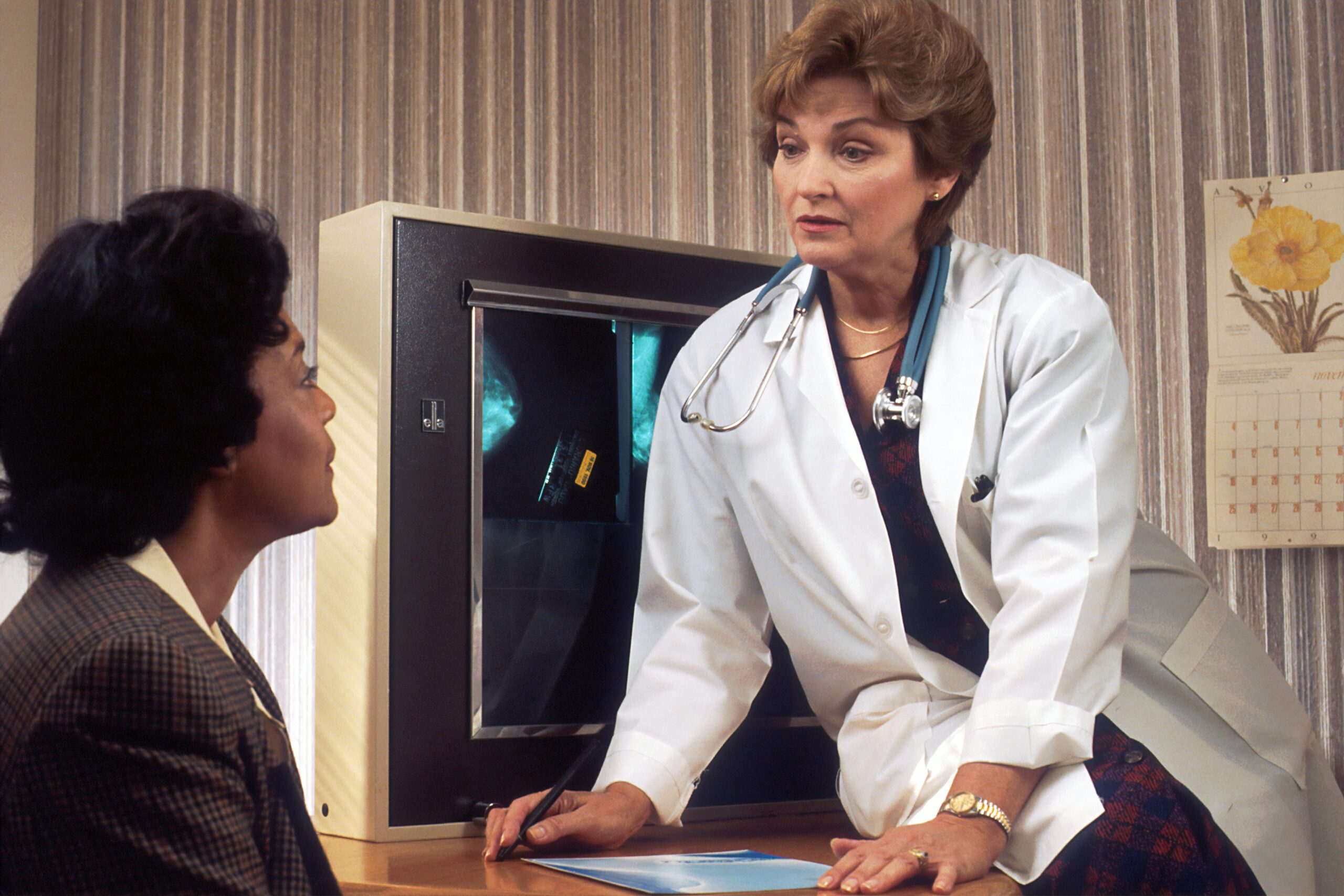
Early Signs of HIV in Women: 10 Symptoms to Know
Early Signs of HIV in Women
The early signs of HIV in women can include fever, unusual tiredness, swollen lymph nodes, night sweats, skin rashes, sore throat and muscle aches. Some women may also experience vaginal infections, genital sores or changes in their menstrual cycle.
These symptoms can appear within two to four weeks after HIV infection, but not every woman experiences them. Some women have no noticeable symptoms for months or even years.
HIV can affect women differently because of its effects on reproductive and sexual health. However, symptoms alone cannot confirm whether someone has the virus. The only reliable way to know your HIV status is to take an HIV test.
If you think you may have been exposed to HIV within the last 72 hours, seek medical attention immediately and ask about post-exposure prophylaxis (PEP). This medication can help prevent HIV infection when started within the recommended time.
- What Are the Early Signs of HIV in Women?
- HIV Symptoms That May Affect Women Differently
- When Do Early HIV Symptoms Start in Women?
- Can a Woman Have HIV Without Showing Symptoms?
- How Can a Woman Know If She Has HIV?
- How Soon Can an HIV Test Detect Infection?
- What Should You Do If You Think You Have Been Exposed to HIV?
- Can HIV Be Treated in Women?
- Can a Woman With HIV Get Pregnant and Have an HIV-Negative Baby?
- Where Can Women Get HIV Testing and Treatment in Nigeria?
- Frequently Asked Questions About Early Signs of HIV in Women
- Final Thoughts
What Are the Early Signs of HIV in Women?
Early HIV infection is also called acute HIV infection. It occurs shortly after the virus enters the body.
During this stage, HIV multiplies rapidly, and the body’s immune system begins responding to the infection. Some women develop symptoms that resemble the flu or another common viral illness.
The symptoms can include:
1. Fever
Fever is one of the common symptoms of early HIV infection.
A woman may develop a raised body temperature, sometimes accompanied by chills, sweating and general discomfort. The fever may appear within a few weeks after exposure to the virus.
It happens because the immune system is responding to the infection.
However, fever is not specific to HIV. Malaria, influenza, urinary tract infections and other illnesses can cause similar symptoms.
If you develop a fever after a possible HIV exposure, do not assume it is HIV or dismiss it as an ordinary illness. Consider getting tested and speak with a healthcare professional.
2. Unusual Tiredness and Weakness
Feeling unusually tired can be another early sign of HIV.
You may feel exhausted even after getting enough sleep. Everyday activities that normally require little effort may suddenly feel difficult.
This tiredness can occur because the body is responding to an infection.
However, fatigue has many possible causes, including anemia, stress, pregnancy, malaria, poor sleep and nutritional deficiencies.
Persistent tiredness alone cannot tell you whether you have HIV. If it occurs alongside other symptoms or follows a possible exposure, consider a medical assessment.
3. Swollen Lymph Nodes
Lymph nodes are small structures that help the immune system fight infections.
They are found in different parts of the body, including the neck, armpits and groin.
During early HIV infection, these lymph nodes may become swollen as the immune system responds to the virus.
You might notice small lumps around your neck or under your arms. The swelling may feel tender or uncomfortable, although it does not always cause pain.
Swollen lymph nodes can also result from throat infections, skin infections and other illnesses.
Unexplained swelling that persists or occurs with other symptoms should be assessed by a healthcare professional.
4. Skin Rash
A skin rash can develop during the early stage of HIV infection.
It may appear as red, pink, brown or darker patches, depending on your skin tone. The rash can occur on the chest, back, face, arms or other areas of the body.
Some rashes are flat, while others may have small raised spots. It may or may not cause itching.
An HIV-related rash can resemble rashes caused by other viral infections, allergic reactions, medication reactions and skin conditions.
A rash by itself does not mean you have HIV. If you notice an unexplained rash after a possible exposure, speak with a healthcare professional about testing.
5. Night Sweats
Night sweats involve sweating heavily while sleeping, sometimes to the point of soaking your clothes or bedsheets.
Some women experience night sweats during early HIV infection alongside fever and other flu-like symptoms.
However, night sweats can also occur because of hormonal changes, menopause, infections, certain medications and other health conditions.
Pay attention to repeated or unexplained night sweats, especially when they occur with fever, swollen lymph nodes or unusual tiredness.
6. Sore Throat
A sore throat can develop during the early stages of HIV infection.
You may experience pain or irritation when swallowing. Your throat may feel dry, scratchy or swollen.
Some people also develop swollen tonsils or mouth discomfort.
These symptoms can easily be mistaken for a common cold, flu or throat infection.
A sore throat alone is not enough to identify HIV. If you have had a possible exposure, testing is more useful than trying to identify the infection through symptoms.
7. Headaches
Headaches may occur during early HIV infection.
The pain may feel like an ordinary headache and can appear alongside fever, tiredness, muscle aches or other flu-like symptoms.
Headaches have many possible causes, including dehydration, stress, malaria, lack of sleep and other infections.
A headache does not confirm HIV. However, a severe or unusual headache, especially when accompanied by other concerning symptoms, should receive medical attention.
8. Muscle and Joint Pain
Some women experience muscle aches or joint pain during early HIV infection.
The discomfort may affect different parts of the body and feel similar to the aches that occur during influenza.
You may experience soreness in your legs, arms, back or joints.
These aches can occur because the immune system is responding to the infection.
They are not unique to HIV, so they should not be used to determine your HIV status.
9. Mouth Ulcers
Mouth ulcers can develop during early HIV infection.
These are small, painful sores that may appear on the tongue, gums, inner cheeks or other areas inside the mouth.
They can make eating, drinking or brushing your teeth uncomfortable.
Mouth ulcers are common and can develop because of injuries, stress, nutritional deficiencies and other infections.
If mouth sores are persistent, unusually painful or occur alongside other symptoms, seek medical advice.
10. Diarrhoea
Some people experience diarrhea during acute HIV infection.
You may pass loose or watery stools more frequently than usual. It may occur alongside fever, stomach discomfort, nausea or other flu-like symptoms.
HIV Symptoms That May Affect Women Differently
HIV symptoms during the earliest stage are generally similar in women and men. However, women living with HIV may experience certain reproductive and gynecological health problems.
These problems are not reliable early indicators of HIV on their own. They may become more noticeable when the immune system is weakened or when HIV has remained untreated.
1. Repeated Vaginal Yeast Infections
Vaginal yeast infections occur when a fungus called Candida grows excessively in the vagina.
They can cause:
- Vaginal itching.
- Burning or irritation.
- Redness around the vulva.
- Pain during sexual intercourse.
- Discomfort when urinating.
- Thick, white vaginal discharge.
Yeast infections are common and can affect women who do not have HIV.
However, women living with HIV may experience them more frequently, and infections can sometimes be harder to treat.
Repeated infections, especially when they keep returning despite treatment, should be discussed with a healthcare professional.
2. Changes in the Menstrual Cycle
Some women living with HIV experience changes in their menstrual periods.
These changes may include missed periods, unusually light bleeding, heavier bleeding or more severe premenstrual symptoms.
But, menstrual changes are not specific to HIV.
Pregnancy, stress, hormonal conditions, weight changes, thyroid problems and other health conditions can also affect menstruation.
If your periods become irregular without an obvious explanation, consider a medical assessment.
3. Recurrent Vaginal Infections
Women living with HIV may experience certain vaginal infections more frequently.
One example is bacterial vaginosis, a condition associated with an imbalance in the normal bacteria found in the vagina.
Possible symptoms include:
- Unusual vaginal discharge.
- A fish-like vaginal odor.
- Vaginal discomfort.
- Irritation or burning.
Some women have no noticeable symptoms.
Bacterial vaginosis can affect women without HIV, so having it does not mean you have the virus.
Repeated vaginal infections deserve proper medical attention, particularly when treatment does not seem to resolve the problem.
4. Genital Sores or Ulcers
Genital sores can occur in women living with HIV, particularly when another sexually transmitted infection is present.
The sores may appear around the vagina, vulva or anus. They can cause pain, irritation or discomfort during sexual intercourse.
Genital ulcers may be caused by herpes, syphilis and other infections.
HIV does not automatically cause genital sores. However, if you notice unexplained sores, seek testing and medical advice.
5. Pelvic Inflammatory Disease
Pelvic inflammatory disease (PID) is an infection affecting the female reproductive organs, including the uterus, fallopian tubes and ovaries.
Women living with HIV may experience more complicated or recurrent pelvic infections.
Possible symptoms include:
- Pain in the lower abdomen.
- Unusual vaginal discharge.
- Pain during sexual intercourse.
- Bleeding between periods.
- Fever.
- Discomfort when urinating.
PID has several possible causes and is not an early HIV symptom by itself.
Untreated PID can cause serious reproductive complications, so seek medical care if you experience these symptoms.
When Do Early HIV Symptoms Start in Women?
Early HIV symptoms commonly appear within two to four weeks after infection.
Some women may develop symptoms sooner or later, while others may not experience any noticeable symptoms.
The early stage is called acute HIV infection. During this period, the amount of virus in the blood can be very high.
The symptoms may last for a few days or several weeks before improving.
Moreover, feeling better does not mean the virus has disappeared.
After the acute stage, HIV can enter a chronic stage in which the person may feel healthy and have no obvious symptoms.
Without treatment, the virus can continue damaging the immune system even when the person does not feel sick.
This is why testing is important after a possible exposure, regardless of whether symptoms appear.
Can a Woman Have HIV Without Showing Symptoms?
Yes. A woman can have HIV without experiencing noticeable symptoms.
Some women develop flu-like symptoms shortly after infection. Others experience mild symptoms that they mistake for an ordinary illness.
Some do not experience any symptoms during the early stage.
After the initial infection, HIV may remain in the body for years without causing obvious illness.
During this period, the virus can still affect the immune system and may be transmitted to another person.
Do not use your physical appearance, general health or absence of symptoms to determine your HIV status.
A woman can look and feel healthy while living with HIV. An HIV test is the only reliable way to know.
How Can a Woman Know If She Has HIV?
The only reliable way to confirm HIV infection is through testing.
Symptoms cannot provide a definite answer because many conditions cause similar changes in the body.
HIV tests look for different signs of infection, including antibodies, antigens or the virus itself.
Common testing options include:
Antibody tests: These tests look for antibodies produced by the immune system after HIV infection. Many rapid tests and self-tests use this method.
Antigen/antibody tests: These tests look for both HIV antibodies and an antigen called p24. They can usually detect infection earlier than antibody-only tests.
Nucleic acid tests (NAT): These tests look for the virus itself in the blood and can detect HIV earlier than many other tests.
The most appropriate test depends on when the possible exposure occurred and the available testing services.
A healthcare professional can help you choose the right test.
How Soon Can an HIV Test Detect Infection?
HIV tests do not detect infection immediately after exposure.
The period between possible exposure and the time a test can reliably detect HIV is called the window period.
Different tests have different window periods.
| HIV test | Usual detection window |
|---|---|
| NAT | 10–33 days |
| Laboratory antigen/antibody test | 18–45 days |
| Rapid antigen/antibody test using finger-stick blood | 18–90 days |
| Antibody test | 23–90 days |
These periods are general estimates. The actual detection time depends on the test and individual circumstances.
A negative result taken too early may not rule out infection.
If you test negative during the window period, you may need another test after the recommended period for that test.
For more information about testing methods and detection periods, read the CDC’s official guide to getting tested for HIV.
What Should You Do If You Think You Have Been Exposed to HIV?
If you think you may have been exposed to HIV, take the situation seriously without panicking.
Your next steps depend on when the possible exposure happened.
1. Seek Medical Help Within 72 Hours
If the possible exposure happened within the last 72 hours, contact a healthcare professional immediately and ask about post-exposure prophylaxis.
PEP is a short course of HIV medication taken after a possible exposure to reduce the risk of infection.
It works best when started as soon as possible and must be started within 72 hours.
Do not wait for symptoms to appear before seeking help.
2. Arrange an HIV Test
Visit a hospital, clinic or approved HIV testing center.
Explain when the possible exposure happened so the healthcare professional can recommend an appropriate test.
If your first test is negative but was taken during the window period, ask when you should repeat it.
3. Avoid Relying on Symptoms
Never assume that a fever, rash, vaginal infection or unusual tiredness means you have HIV.
Likewise, do not assume that you are HIV-negative because you feel healthy.
Testing provides information that symptoms cannot.
4. Discuss Other Sexual Health Tests
Depending on your circumstances, a healthcare professional may recommend screening for other sexually transmitted infections.
This can help identify infections that may require treatment.
Can HIV Be Treated in Women?
Yes. HIV can be treated with medicines called antiretroviral therapy (ART).
Although there is currently no widely available cure, modern treatment can control the virus and help people living with HIV maintain good health.
ART works by reducing the amount of HIV in the blood, known as the viral load.
When treatment is taken consistently and the viral load becomes and remains undetectable, HIV cannot be transmitted through sex. This is known as Undetectable = Untransmutable (U=U).
Women living with HIV can have relationships, work, study, plan families and live long, healthy lives with appropriate treatment and medical care.
Treatment should begin as soon as possible after diagnosis. A healthcare professional will recommend the appropriate medication and monitor progress.
Can a Woman With HIV Get Pregnant and Have an HIV-Negative Baby?
Yes. A woman living with HIV can become pregnant and give birth to a baby who does not have HIV.
With appropriate medical care, antiretroviral treatment and pregnancy support, the risk of transmission from mother to child can be reduced significantly.
A woman who is pregnant or planning to become pregnant should tell her healthcare provider about her HIV status so that the right care can be arranged.
Medical teams can monitor the mother’s health, manage treatment and provide guidance about delivery and infant feeding.
Do not stop HIV medication because of pregnancy without speaking to a healthcare professional.
Early antenatal care and consistent treatment are important for protecting both mother and baby.
Where Can Women Get HIV Testing and Treatment in Nigeria?
Women in Nigeria can seek HIV testing through government hospitals, public health facilities and dignified HIV service organizations.
According to Nigeria’s National Agency for the Control of AIDS, HIV treatment remains free at government-owned health facilities.
You can begin by visiting a nearby hospital or clinic and asking for confidential HIV counselling and testing.
The Institute of Human Virology Nigeria also provides information about HIV testing and care services. Its website explains how people can find testing support and treatment services.
If you receive a positive result, ask the healthcare team about confirmatory testing and enrolment in HIV care.
A positive result is not the end of your life. Effective treatment is available, and people living with HIV can maintain their health.
Frequently Asked Questions About Early Signs of HIV in Women
1. What is the first sign of HIV in a woman?
There is no single first sign. Some women experience fever, tiredness, rash, swollen lymph nodes or sore throat within a few weeks of infection. Others have no symptoms.
2. Can HIV cause vaginal itching?
HIV does not usually cause vaginal itching directly. However, women living with HIV may experience recurring yeast infections, which can cause itching, burning and irritation.
3. Can HIV cause irregular periods?
Women living with HIV may experience missed periods, lighter or heavier bleeding and other menstrual changes. However, irregular periods have many possible causes and do not confirm HIV infection.
4. How long can a woman have HIV without knowing?
A woman can live with HIV for years without obvious symptoms. The length of time varies, which is why testing is important even when someone feels healthy.
5. Can HIV symptoms appear after one week?
Some people may develop symptoms within the first few weeks after infection. However, the common period for early symptoms is around two to four weeks. Not everyone experiences them.
6. Can a woman have HIV and still look healthy?
Yes. HIV does not always cause visible symptoms. A woman can look and feel healthy while living with the virus.
7. Does HIV cause weight loss in women?
Unexplained weight loss can occur in people with untreated or advanced HIV. However, it is not a reliable early sign and can result from many other health conditions.
8. Can a negative HIV test be wrong?
A negative test taken during the window period may not detect a recent infection. Depending on the test used and the exposure date, another test may be necessary.
9. Can HIV be cured?
There is currently no widely available cure for HIV. However, antiretroviral treatment can control the virus, protect the immune system and help people live long, healthy lives.
10. Can a woman get HIV from kissing?
HIV is not transmitted through ordinary kissing, hugging, sharing food or using the same toilet. It spreads through specific body fluids, including blood, semen, vaginal fluids, rectal fluids and breast milk.
Final Thoughts
The early signs of HIV in women can include fever, night sweats, skin rashes, swollen lymph nodes, unusual tiredness, sore throat and muscle aches. Some women may also experience recurring vaginal infections or changes in their menstrual cycle.
However, these symptoms can have several other causes, and some women with HIV experience no symptoms at all.
If you think you may have been exposed to HIV, do not wait for symptoms before seeking help. Arrange an HIV test and ask a healthcare professional about the appropriate testing period.
If exposure happened within the last 72 hours, seek urgent medical advice about PEP.
Most importantly, remember that HIV is treatable. Early diagnosis and consistent treatment can help women living with HIV lead healthy and fulfilling lives.