The 3 O’Clock Prayer: Meaning, History and Importance of the Divine Mercy Hour
The 3 O’Clock Prayer: Meaning, History and Importance of the Divine Mercy Hour
The 3 o’clock prayer is a Catholic devotion that remembers the suffering and death of Jesus Christ. Also known as the Hour of Divine Mercy, it encourages believers to reflect on Christ’s sacrifice and pray for God’s mercy.
The devotion is closely associated with Saint Faustina Kowalska, whose spiritual writings helped spread the Divine Mercy message.
This guide explains the meaning of the 3 o’clock prayer, its connection with Saint Faustina and why Catholics observe this special hour.
- What Is the 3 O’clock Prayer?
- Why Is the 3 O’clock Hour Important?
- Who Started the 3 O’clock Prayer?
- What Is the Connection Between Saint Faustina and Divine Mercy?
- Is the 3 O’clock Prayer the Same as the Divine Mercy Chaplet?
- How Do Catholics Observe the Hour of Divine Mercy?
- Must You Pray at Exactly 3 p.m.?
- What Should You Reflect on During the 3 O’Clock Hour?
- What Does the Bible Say About God’s Mercy?
- How Can the 3 O’Clock Devotion Influence Everyday Life?
- Frequently Asked Questions About the 3 O’Clock Prayer
- Final Thoughts
What Is the 3 O’clock Prayer?
The 3 o’clock prayer is a Catholic devotion centered on remembering Jesus’ Passion at the hour traditionally associated with His death on the cross.
It is commonly called the Hour of Divine Mercy because it encourages believers to reflect on the mercy God offers through Jesus Christ.
The devotion is connected with the messages recorded by Saint Faustina Kowalska in her spiritual diary. In those writings, she described Jesus asking for special prayer and meditation on His Passion at three in the afternoon.
The central purpose is to remember what Jesus suffered, turn to Him with trust and ask for mercy, particularly for sinners and the whole world.
It is important to understand that the Hour of Divine Mercy is not simply the name of a particular prayer. It refers to a time of devotion and reflection. Catholics may observe it through prayer, meditation, the Stations of the Cross or time spent before the Blessed Sacrament.
The Divine Mercy Chaplet is also commonly prayed at this hour, but it is not the only way to observe the devotion.
Why Is the 3 O’clock Hour Important?
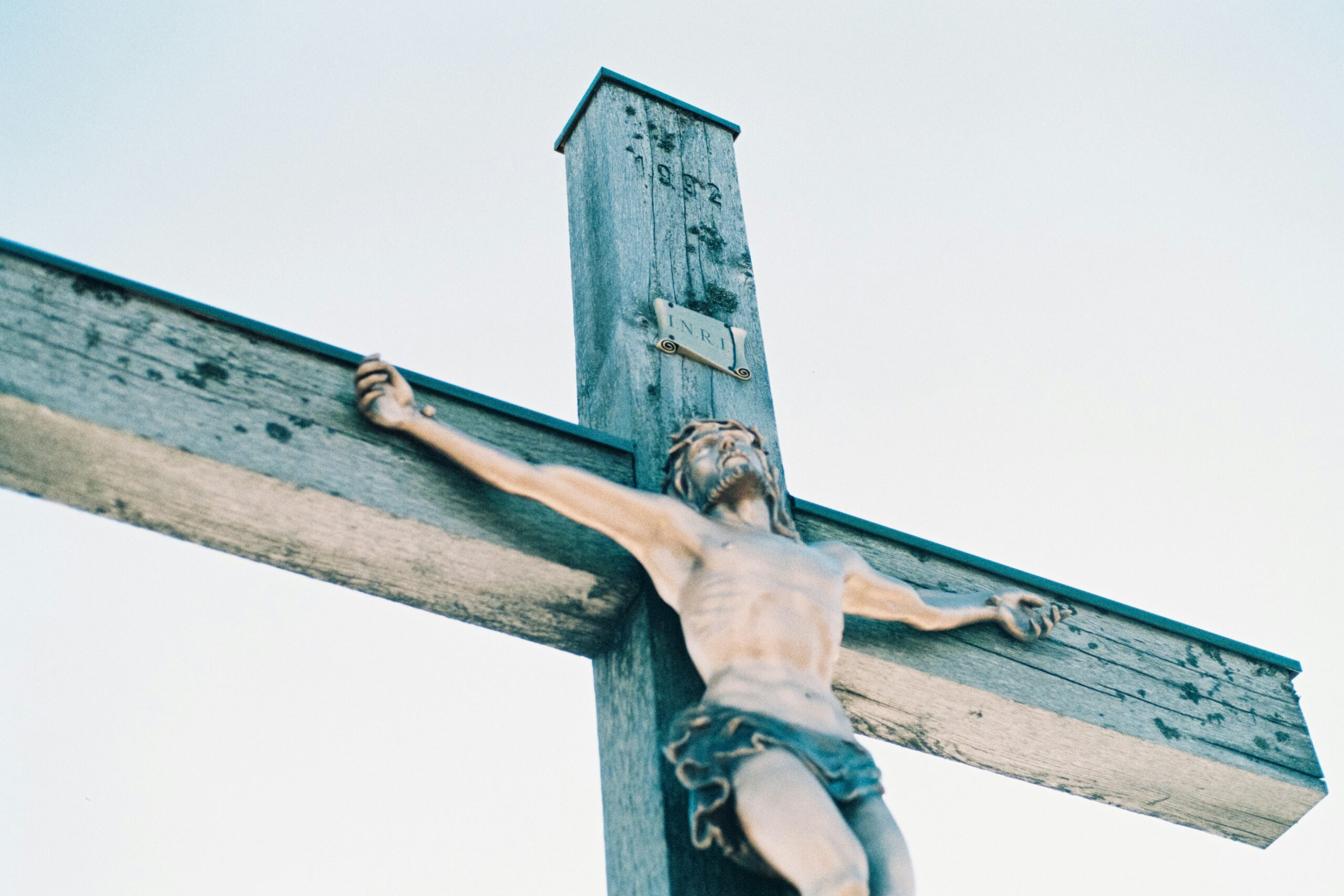
Three o’clock is traditionally associated with the hour of Jesus’ death on the cross. Christians remember this moment because His sacrifice is central to the message of salvation.
Jesus’ death represents His love for humanity and the mercy God offers to those who turn to Him. The Hour of Divine Mercy encourages believers to pause and reflect on this sacrifice instead of allowing the day to pass without remembering its spiritual significance.
The importance of the hour can be understood through three main ideas.
1. Remembering the Suffering of Jesus
The devotion directs attention to the final hours of Jesus’ earthly life.
His suffering, crucifixion and death are central events in the Christian faith. Remembering them helps believers reflect on the seriousness of sin, the depth of Christ’s love and the meaning of His sacrifice.
The three o’clock hour therefore provides a daily opportunity to turn one’s thoughts towards the cross.
2. Reflecting on God’s Mercy
The devotion also reminds Catholics that God’s mercy is greater than human weakness and failure.
People experience mistakes, disappointments, guilt and difficult situations. Reflecting on Christ’s sacrifice encourages them to seek forgiveness and approach God with trust.
It is a reminder that prayer is not reserved for people who believe they have everything right. Anyone who sincerely seeks God’s mercy can turn to Him.
3. Praying for Others
The Hour of Divine Mercy is not only about personal spiritual needs.
It encourages believers to remember sinners and people experiencing suffering. This includes the sick, the lonely, people facing hardship and those who have lost hope.
Praying for others helps Christians look beyond their personal concerns and develop greater compassion.
Who Started the 3 O’clock Prayer?
The devotion is closely associated with Saint Faustina Kowalska, a Polish Catholic nun who lived between 1905 and 1938.
She was born Helena Kowalska in Poland and later joined the Congregation of the Sisters of Our Lady of Mercy. During her religious life, she recorded spiritual experiences and messages concerning God’s mercy.
Her diary, commonly known as Divine Mercy in My Soul, contains the messages that helped establish the modern Divine Mercy devotion.
In her writings, Saint Faustina described Jesus asking her to remember His Passion at three in the afternoon and to seek His mercy, especially for sinners.
One passage in her diary refers to this time as the Hour of Great Mercy. It encourages special attention to Jesus’ suffering and prayer for the world.
Saint Faustina’s writings also discuss other elements of the Divine Mercy devotion, including the Divine Mercy image, the Chaplet and Divine Mercy Sunday.
Her experiences became an important part of the spread of the devotion, which is now practiced by Catholics in many countries.
What Is the Connection Between Saint Faustina and Divine Mercy?
Saint Faustina is widely known in the Catholic Church as the Apostle of Divine Mercy.
Her spiritual diary helped communicate the message that people should trust in God’s mercy and show mercy to others.
The Divine Mercy devotion is built around three closely related ideas:
- Trust: Believers are encouraged to place their confidence in God’s mercy rather than relying only on their own strength.
- Mercy: Christians are reminded to seek God’s compassion and extend kindness and forgiveness to other people.
- Prayer: The devotion encourages people to pray for themselves, sinners and the whole world.
The 3 o’clock hour is one expression of this wider message.
It reminds believers to return their attention to Jesus’ Passion and understand the mercy associated with His sacrifice.
The devotion is therefore more than a daily religious routine. It encourages a way of living that combines trust in God with compassion towards others.
Is the 3 O’clock Prayer the Same as the Divine Mercy Chaplet?
No. Although the two are closely connected, they are not identical.
The Hour of Divine Mercy is the devotion observed at three in the afternoon. Its central focus is remembering Jesus’ Passion and seeking God’s mercy.
The Divine Mercy Chaplet is a particular set of prayers associated with Saint Faustina’s writings. It is traditionally recited using rosary beads and includes repeated prayers for mercy.
Many Catholics pray the Chaplet at three in the afternoon because its message fits the purpose of the hour.
However, the Chaplet is not compulsory at that time. The official Divine Mercy guidance explains that when someone cannot recite it, they can still observe the hour by briefly meditating on the Lord’s Passion.
This distinction matters because the devotion should not be reduced to completing a particular number of prayers.
If you want the actual prayer words and a step-by-step explanation of the Chaplet, read our complete 3 o’clock prayer guide.
How Do Catholics Observe the Hour of Divine Mercy?
Catholics can observe the Hour of Divine Mercy in different ways, depending on their circumstances and the time available.
The purpose is to remember Jesus’ Passion and turn to Him in prayer. It does not require everyone to follow an identical routine.
Some common ways of observing the hour include:
Spending Time in Prayer
A person may pause at three in the afternoon to speak to God, remember Christ’s sacrifice and pray for mercy.
The prayer can be brief. What matters is taking the opportunity to direct one’s attention towards Jesus.
Reflecting on the Passion of Christ
Meditation on Jesus’ suffering is central to the devotion.
Believers can spend a few moments thinking about the events leading to His crucifixion, the meaning of His sacrifice and the love demonstrated through His death.
Praying the Stations of the Cross
The Stations of the Cross are a traditional Catholic devotion that follows the events of Jesus’ journey to Calvary.
They provide a structured way to reflect on His suffering and death. They can therefore be a meaningful way to observe the Hour of Divine Mercy.
Visiting the Blessed Sacrament
Catholics who have access to a church or chapel may spend time before the Blessed Sacrament.
This provides an opportunity for quiet prayer, reflection and adoration.
Praying the Divine Mercy Chaplet
The Chaplet is another popular way to observe the hour.
It focuses on asking God for mercy through the Passion of Jesus. However, it is important to remember that the Chaplet can also be prayed at other times of the day.
Must You Pray at Exactly 3 p.m.?
Three o’clock is the traditional time associated with the devotion, so Catholics are encouraged to observe it when their responsibilities allow.
But, everyday life does not always make this possible.
Someone may be working, attending classes, travelling, caring for children or handling other responsibilities when the clock reaches three.
The Divine Mercy guidance does not say that a person must abandon their responsibilities to complete the Chaplet at that exact moment.
Instead, it encourages believers to make an effort to remember Jesus’ Passion, even if only briefly.
For example, someone who cannot stop for a full prayer may quietly remember Christ’s suffering for a moment before returning to work.
If you miss the hour completely, you can still pray later in the day. The important thing is to continue developing your relationship with God rather than becoming discouraged by an occasional interruption.
You can read more about this in the Divine Mercy FAQ, which addresses questions about observing the hour and praying the Chaplet.
What Should You Reflect on During the 3 O’Clock Hour?
The devotion provides an opportunity to reflect on different aspects of Christian faith.
You do not need to follow a complicated meditation routine. Choosing one meaningful subject and giving it your attention can be enough.
Here are some areas you may consider.
The Love of Jesus
Think about the love demonstrated through Jesus’ willingness to suffer and die for humanity.
Consider what His sacrifice means for your faith and how you can respond to that love through your actions.
Forgiveness and Repentance
The hour can remind you to examine your life honestly.
You may reflect on mistakes you have made, relationships that need healing and areas where you need God’s guidance.
It is also an opportunity to ask for the grace to forgive people who have hurt you.
Compassion for People Who Are Suffering
Remember people who are experiencing illness, grief, poverty, loneliness or other difficulties.
You can include them in your prayers and consider practical ways to show kindness.
Trust During Difficult Times
Life can involve uncertainty, disappointment and challenges that are difficult to understand.
Reflecting on God’s mercy can encourage you to remain hopeful and trust Him even when circumstances are not going as expected.
What Does the Bible Say About God’s Mercy?
Although the 3 o’clock devotion is associated with the spiritual writings of Saint Faustina, its message of mercy connects with themes found throughout the Bible.
Scripture repeatedly describes God’s compassion, forgiveness and willingness to receive those who turn to Him.
Here are some passages worth reading during personal reflection.
Psalm 51:1
This passage begins with a request for God’s mercy and compassion.
It is particularly meaningful when reflecting on repentance, forgiveness and the desire to return to God.
Ephesians 2:4–5
These verses describe God as rich in mercy and emphasise His great love for humanity.
They remind Christians that salvation is connected with God’s grace rather than human achievement.
Luke 23:34
This passage records Jesus asking the Father to forgive those responsible for His crucifixion.
It offers a powerful example of forgiveness even in the face of suffering.
Hebrews 4:16
This verse encourages believers to approach God’s throne of grace with confidence so they may receive mercy and find help when they need it.
These passages can help deepen your understanding of the spiritual message behind the Hour of Divine Mercy.
How Can the 3 O’Clock Devotion Influence Everyday Life?
The value of a religious devotion should not be measured only by how regularly someone completes a prayer.
It should also encourage positive changes in the way that person thinks, treats others and responds to difficult situations.
The Hour of Divine Mercy can serve as a daily reminder to practice the values associated with the Christian faith.
It Encourages Forgiveness
Remembering the mercy shown through Jesus’ sacrifice can encourage believers to become more willing to forgive others.
Forgiveness does not mean pretending that hurtful actions never happened. It means seeking freedom from resentment and allowing God to guide the healing process.
It Develops Compassion
Praying for people who are suffering can make believers more aware of the needs of others.
This awareness should also influence everyday actions, such as helping someone in need, offering encouragement or showing patience.
It Creates Time for Reflection
Daily responsibilities can make it easy to move from one activity to another without stopping to consider spiritual needs.
The three o’clock hour provides a regular opportunity to pause, reflect and reconnect with one’s faith.
It Encourages Trust in God
The Divine Mercy message places strong emphasis on trust.
During difficult moments, remembering God’s mercy can encourage believers to pray, remain hopeful and seek guidance rather than allowing fear to control every decision.
Frequently Asked Questions About the 3 O’Clock Prayer
1. Why do Catholics pray at 3 p.m.?
Catholics observe the hour because it traditionally recalls the time of Jesus’ death on the cross. The devotion encourages reflection on His Passion and prayer for God’s mercy.
2. Who introduced the Hour of Divine Mercy?
The devotion is closely associated with Saint Faustina Kowalska, a Polish nun whose spiritual diary recorded messages about Divine Mercy and special prayer at three in the afternoon.
3. Is the 3 O’Clock Prayer an official Catholic prayer?
The Hour of Divine Mercy is a recognized Catholic devotion. It is not limited to one compulsory prayer formula. It focuses on remembering Jesus’ Passion and seeking mercy.
4. Must I pray the Divine Mercy Chaplet at 3 p.m.?
No. The Chaplet is a suitable prayer for the hour, but it is not compulsory. A brief meditation on Jesus’ Passion is also an appropriate way to observe the devotion.
5. Can I observe the Hour of Divine Mercy without going to church?
Yes. You can pray wherever you are. Visiting a church or spending time before the Blessed Sacrament can be meaningful, but it is not required to remember Jesus’ Passion.
6. What if I forget the 3 o’clock hour?
You can still pray later. If you miss the hour, take another opportunity to reflect on Jesus’ Passion and ask for God’s mercy.
7. Can non-Catholics learn about the 3 O’Clock Prayer?
Yes. Anyone interested in understanding the devotion can learn about its background, spiritual message and connection with the Catholic faith.
8. Is the Hour of Divine Mercy observed every day?
Yes. The devotion can be observed daily at three in the afternoon as a regular opportunity for prayer and reflection.
Final Thoughts
The 3 o’clock prayer is more than a reminder to stop at a particular time of day. It is an invitation to remember Jesus’ sacrifice, reflect on God’s mercy and become more compassionate towards others.
Through the Hour of Divine Mercy, Catholics are encouraged to bring their concerns before God, pray for sinners and remember people who are experiencing hardship.
You do not have to spend a long time observing the devotion. Even a brief moment of sincere reflection can help you reconnect with its message.
As you make it part of your spiritual life, allow the devotion to influence not only your prayers but also your daily choices, relationships and treatment of others.